If you’re planning to improve vehicle access to your property in the West Midlands, installing a drop kerb (also called a dropped kerb or dropped crossing) is often the first step. A drop kerb allows vehicles to safely cross the pavement from the road to your driveway, increasing accessibility and potentially adding value to your home. However, before you begin, it’s essential to understand the installation process, cost considerations, and local compliance rules that apply across the West Midlands.
What is a Drop Kerb?
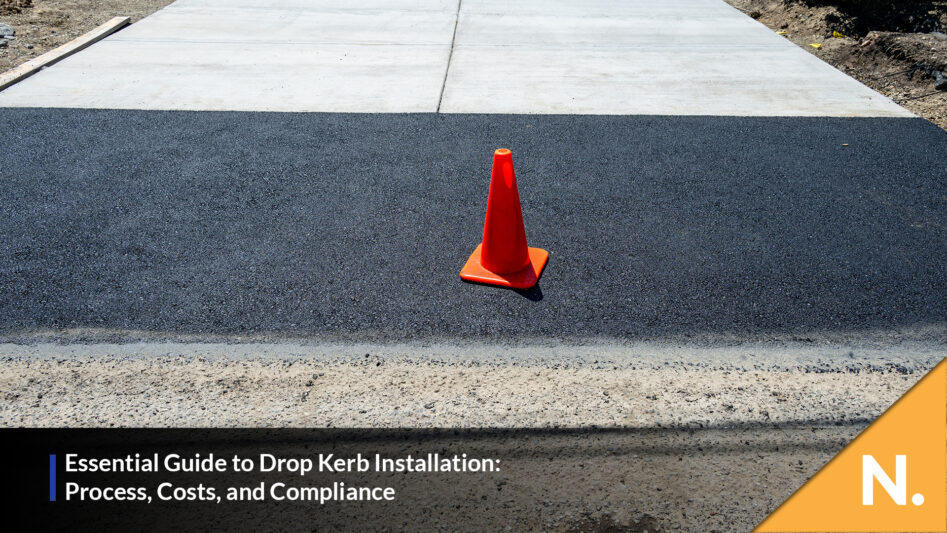
A drop kerb is a section of pavement where the kerb is lowered to create a smooth slope, allowing vehicles to drive onto a private driveway or off-road parking space. Despite being in front of your property, the area remains part of the public highway and is maintained by the local council. The purpose is to protect regular pavements from vehicle damage and to provide safe access points.
Installation Process
- Application and Permission: You must apply to your local council before any work begins. The council will assess the site to confirm suitability and issue the necessary permits. Doing the work without permission can result in fines or having to reinstate the pavement.
- Driveway Requirements: Before installation, ensure your driveway is ready and meets council standards, which typically require a minimum depth of about 4.75 meters to accommodate a vehicle.
- Assessment and Inspection: The council or an approved contractor will conduct an on-site evaluation. This includes examining pavement width and condition, as well as any underground utilities that may need relocation.
- Construction Work: The council or an approved contractor will excavate the kerb section and rebuild it at a lowered level, often reinforcing the pavement with concrete to support vehicle weight.
- Approval: After installation, the council will inspect the drop kerb to ensure it meets all standards and regulations.
Cost Factors for Drop Kerb Installation
The total cost for drop kerb installation throughout the West Midlands varies widely, influenced by multiple factors including:
- Application and Permit Fees: Most councils charge a non-refundable application or assessment fee that covers the initial site inspection and permit processing.
- Planning Permission: If your property fronts a classified or main road, or if you are creating a new vehicle access where none existed before, you may need planning permission.
- Construction Costs: The bulk of the expense is the physical work involved, including labour, materials, and any extra work to relocate utilities or manage drainage.
- Extent of Kerb Dropping: The number of kerbstones to be lowered directly affects costs. Typical dropped kerbs involve removing 3-7 kerbstones, with costs increasing for longer or wider pavements.
- Additional Works: Other circumstances, such as moving street furniture, trees, or underground utilities, will increase the cost.
Compliance and Regulations in the West Midlands
- Legal Requirements: Drop kerbs must only be installed by authorised contractors approved by the local council. Attempting to install one yourself without approval is illegal.
- Highway and Footway Regulations: The drop kerb and any associated driveway crossing remain part of the public highway. It must not obstruct pedestrians or cause drainage or utility issues.
- Planning Permission Considerations: For classified roads or conservation areas, planning permission is mandatory. Also, resurfacing private driveways exceeding five sq. meters typically requires permission to manage water runoff.
- Parking Enforcement: It is illegal to park in a way that blocks a dropped kerb. Councils enforce this strictly, issuing fines for obstruction unless the car is loading/unloading or has the property owner’s permission.
- Environmental and Safety Standards: The kerb must be constructed to withstand vehicle weight and comply with safety standards to avoid hazards for pedestrians and road users.
Benefits of Installing a Drop Kerb
- Improved Access: Safe and convenient vehicle entry to your property.
- Improved Property Value: easier access and off-road parking is desirable.
- Laws and regulations: Prevents breakages on pavements and fines.
- Neighbourhood Safety: Makes sure that the pedestrian pathways are free.
Final Tips
- Begin by approaching the local council in the West Midlands to ask them to send you an application form and any specific advice.
- Ensure your driveway is appropriately prepared before applying.
- Budget for the application, planning permission, and construction costs.
- Make a request to contact us and book the works.
Knowing the procedure, expenses and the safety requirements of installing drop kerbs in the West Midlands, domestic residents will be able to make better choices that help to enhance accessibility without violating legal and safety regulations.