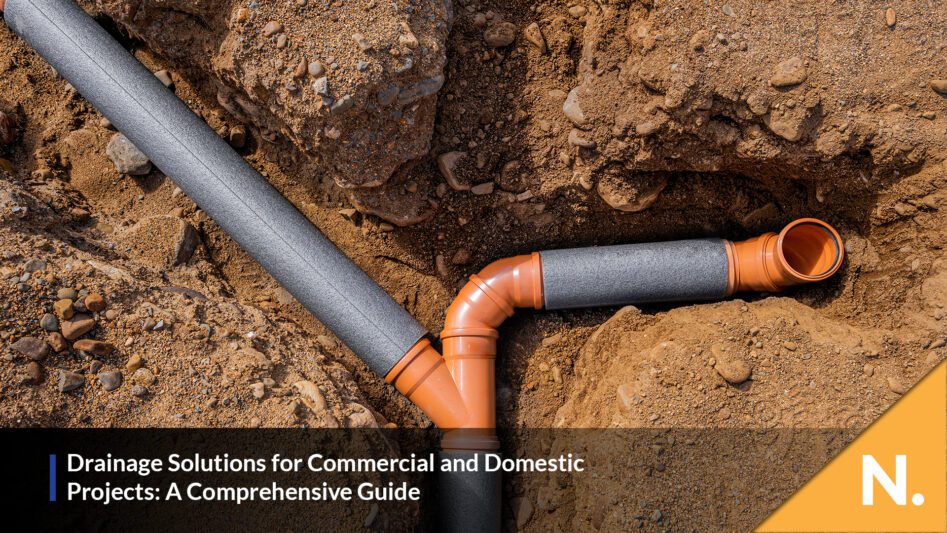
Water management is a critical aspect of any construction project, regardless of its size or scope. Neglecting to install a well-designed drainage system may lead to severe consequences, including structural damage, waterlogged grounds, and even legal repercussions in some cases. As a dedicated groundwork contractor, we understand the importance of creating and implementing effective drainage solutions for commercial and domestic properties. In this comprehensive guide, we’ll explore various types of drainage systems, their key components, as well as the benefits and considerations of each.
By understanding the importance of proper drainage solutions and their varied applications, you can make informed decisions to ensure your project remains well-protected against potential water-related issues. We will help you identify critical factors, such as site conditions, landscape design, and local regulations, which may influence your choice of drainage solutions. Additionally, we will delve into why it’s essential to collaborate with experienced and knowledgeable professionals when it comes to drainage system design and installation.
In this article, we’ll discuss the ins and outs of drainage systems, highlighting the significance of efficient yet tailored solutions. By emphasising the benefits of working with skilled professionals, you will gain an appreciation for how our expertise can be invaluable to securing the long-term health of your commercial or domestic property. As you read through this guide, you’ll come to understand why partnering with us for your drainage solutions is a wise decision for any property owner or developer.
Overview of Drainage System Types
There are several types of drainage systems, each designed to address specific issues and cater to particular site conditions:
1. Surface Drainage: Surface drainage systems collect and redirect excess rainwater or runoff from the ground’s surface, preventing waterlogging and erosion. This type of system typically includes components such as catch basins, drainage grates, and channel drains.
2. Subsurface Drainage: Also known as French drains or weeping tile systems, subsurface drainage solutions collect and manage excess groundwater beneath the surface. These systems generally comprise perforated pipes surrounded by gravel or aggregate material to facilitate the flow of water away from the property.
3. Retention or Detention Systems: These drainage solutions are designed to temporarily store excess stormwater, allowing controlled release into the surrounding environment. Retention and detention systems can include swales, rain gardens, and underground storage tanks, depending on the project’s specific needs and preferences.
4. Combined Drainage Systems: A combined drainage system incorporates aspects of both surface and subsurface systems, providing comprehensive water management solutions that effectively address various water-related issues.
Factors to Consider When Designing a Drainage System
To ensure that your drainage system fulfils its intended purpose efficiently, it’s crucial to consider several factors during the design process:
1. Site Conditions: Understanding the topography, soil type, and water table levels of your property is vital for selecting the most appropriate drainage solution. Conducting a thorough site assessment will help identify problem areas and inform your choice of drainage systems.
2. Climatic Factors: Local climate and rainfall patterns play a significant role in determining the required capacity and functionality of your drainage system. Designing a drainage solution that can cope with the unique climatic conditions of your region is essential for long-term effectiveness.
3. Land Use and Landscape Design: The specific function and layout of your property, such as whether it is a commercial or domestic development, will influence your drainage system’s design. Incorporating drainage solutions seamlessly into your landscape design is crucial for aesthetic appeal and functionality.
4. Regulatory Requirements: Compliance with local and regional regulations is necessary for the design and installation of your drainage system. Familiarising yourself with relevant legislation and guidelines can help ensure your project adheres to the required standards.
Benefits of Implementing Effective Drainage Solutions
Appropriate drainage systems contribute significantly to the overall success of your commercial or domestic property by providing the following benefits:
1. Protecting Foundations and Structures: By efficiently managing excess water, a well-designed drainage system can safeguard your property’s foundations and structures from costly water-related damages, such as subsidence, dampness, and mould growth.
2. Maintaining Landscape Health: Effective drainage solutions can help prevent soil erosion, nutrient loss, and waterlogging, all of which are detrimental to the health and appearance of your landscaping.
3. Environmental Sustainability: Sustainable drainage systems, such as rain gardens and permeable paving, can contribute to better water management practices, reducing stormwater runoff’s impact on local waterways and ecosystems.
4. Reducing Maintenance Costs: A well-functioning drainage system can minimise the need for ongoing repairs and maintenance, thereby lowering the long-term costs associated with managing water-related issues.
Why Collaborate with Experienced Professionals for Your Drainage Solutions
Entrusting your drainage system design and installation to skilled professionals offers numerous advantages:
1. Expert Knowledge: Experienced drainage professionals possess in-depth knowledge and understanding of various drainage solutions and their applications in commercial and domestic properties, ensuring the selection and implementation of the most appropriate systems for your project.
2. Quality Assurance: By partnering with professionals, you can rest assured that your drainage system design and installation comply with industry standards and best practices, ensuring long-lasting effectiveness and durability.
3. Access to Advanced Tools and Equipment: Drainage professionals use specialised equipment and tools to assess and address drainage issues efficiently. These resources, combined with their expertise, can streamline the design and installation process, saving time and resources.
4. End-to-End Project Management: An all-inclusive approach, including assessment, planning, installation, and post-installation support, can simplify the drainage system installation process and provide an overall better experience for property owners and developers.
Conclusion
Implementing robust and efficient drainage solutions is crucial to the long-term success of any commercial or domestic property. By partnering with our drainage experts at N. Plant Excavations and considering the essential factors that influence your choice of drainage system, you can effectively protect your investment, enhance environmental sustainability, and preserve the overall health of your property. Learn more about our tailored drainage services and how we can help you design, install and maintain effective drainage systems for your projects by contacting our expert team today.